Across the world, rural communities are embracing technology-driven solutions to improve living standards, strengthen local economies, and enhance access to essential services. One of the most impactful movements supporting this transformation is the rise of smart village initiatives, which focus on integrating digital tools, sustainable infrastructure, and community-driven innovation. These programs aim to promote rural innovation while ensuring digital inclusion so that people living outside major cities can benefit from modern technology. By combining connectivity, education, and entrepreneurship, smart village initiatives are reshaping how rural regions grow and participate in the global digital economy.
Unlike traditional development models that rely heavily on urban expansion, smart village initiatives prioritize localized solutions tailored to the unique needs of rural populations. From digital healthcare systems to renewable energy projects, these initiatives create opportunities that empower communities while reducing the gap between urban and rural development.
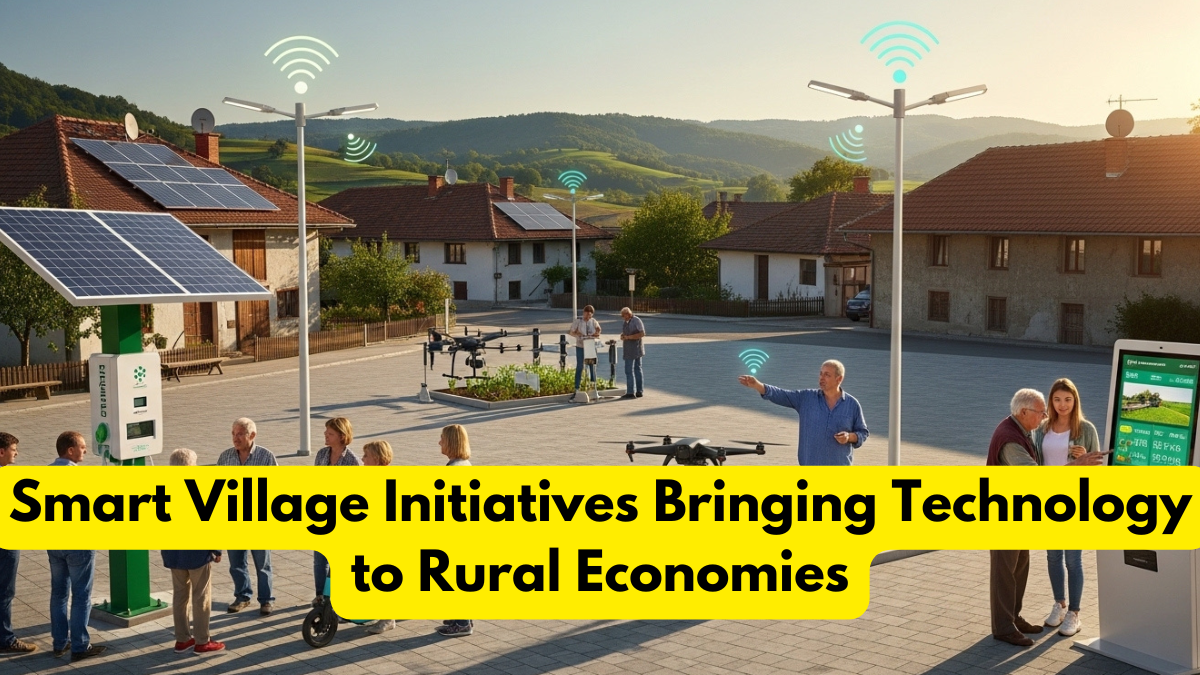
The Role of Digital Inclusion in Rural Development
A core objective of smart village initiatives is to promote digital inclusion, ensuring that individuals in remote areas have access to reliable internet connectivity, digital education, and online services. Without digital access, rural communities often face limitations in education, employment, and healthcare. By investing in infrastructure that supports connectivity, governments and organizations can unlock new pathways for rural innovation.
Key areas where digital inclusion plays a crucial role include:
• Online education platforms that expand learning opportunities
• Telemedicine services that improve access to healthcare
• Digital marketplaces that connect local producers with global buyers
• Financial technology tools that support secure digital payments
Through these advancements, smart village initiatives help bridge the digital divide and create more equitable opportunities. By strengthening digital inclusion, communities gain the tools needed to participate actively in modern economies while preserving local traditions and cultural identity.
How Smart Village Initiatives Drive Rural Innovation
Rural innovation is at the heart of smart village development. By introducing technology solutions tailored to local challenges, these programs encourage entrepreneurship and sustainable growth. Examples include solar-powered energy systems, smart irrigation techniques, and community-driven e-commerce platforms. These innovations demonstrate how smart village initiatives can transform traditional industries into digitally connected ecosystems.
Common strategies used to promote rural innovation include:
• Establishing digital training centers that build technical skills
• Supporting local startups through mentorship and funding programs
• Encouraging collaboration between governments, NGOs, and private companies
• Implementing smart agriculture tools that improve productivity
By fostering creativity and collaboration, smart village initiatives empower communities to develop solutions that reflect their unique needs. This approach strengthens digital inclusion while creating long-term economic opportunities that reduce rural-urban migration.
Comparing Traditional Rural Development With Smart Village Initiatives
To understand the impact of smart village initiatives, it is helpful to compare them with traditional rural development strategies. While older approaches often focused on infrastructure alone, modern initiatives integrate technology, education, and sustainability to drive holistic growth. The table below highlights key differences between these approaches and their impact on rural innovation and digital inclusion.
| Development Model | Technology Integration | Community Participation | Role of Digital Inclusion | Impact on Rural Innovation |
|---|---|---|---|---|
| Traditional Rural Development | Limited digital tools | Moderate engagement | Minimal focus | Slow innovation growth |
| Infrastructure-Only Projects | Basic connectivity | Low participation | Partial digital access | Limited economic transformation |
| Smart Village Initiatives | Advanced technology adoption | High community involvement | Strong emphasis on digital inclusion | Significant rural innovation outcomes |
| Sustainable Digital Ecosystems | Integrated smart solutions | Collaborative planning | Core component of strategy | Long-term rural development success |
This comparison shows how smart village initiatives create more comprehensive solutions that go beyond infrastructure. By prioritizing digital inclusion, these programs enable communities to innovate and adapt to changing economic landscapes.
Challenges and Opportunities in Implementing Smart Village Initiatives
While the potential benefits of smart village initiatives are significant, implementing these programs comes with challenges. Limited funding, lack of technical expertise, and infrastructure gaps can slow progress in some regions. However, partnerships between governments, technology companies, and local communities are helping overcome these obstacles.
Common challenges include:
• High costs associated with building digital infrastructure
• Need for training programs to support digital inclusion
• Resistance to adopting new technologies in traditional communities
• Ensuring sustainable growth without compromising cultural heritage
Despite these challenges, the opportunities created by rural innovation are immense. Smart village initiatives encourage entrepreneurship, improve quality of life, and promote environmental sustainability. By focusing on inclusive development, these programs help ensure that technological progress benefits everyone, regardless of geographic location.
The Future of Digital Inclusion Through Smart Village Initiatives
As technology continues to evolve, smart village initiatives are expected to play an increasingly important role in shaping rural economies. Innovations such as artificial intelligence, renewable energy solutions, and IoT-based farming systems are expanding the possibilities for rural innovation. By integrating these technologies into community-driven projects, smart villages can become hubs of creativity and sustainability.
Emerging trends influencing the future of smart village initiatives include:
• Expansion of 5G connectivity to support advanced digital services
• Growth of online education programs tailored for rural communities
• Increased use of renewable energy to power digital infrastructure
• Development of collaborative platforms that strengthen digital inclusion worldwide
These advancements highlight how smart village initiatives are not just about technology but about empowering people to shape their own futures. By embracing digital inclusion and fostering rural innovation, communities can build resilient economies that thrive in a rapidly changing world.
Conclusion
The growth of smart village initiatives represents a powerful shift toward inclusive and sustainable development for rural regions. By prioritizing digital inclusion and encouraging rural innovation, these programs create opportunities that improve education, healthcare, and economic growth. As technology continues to transform global societies, smart village initiatives offer a blueprint for bridging the gap between urban and rural communities. With continued investment and collaboration, these initiatives have the potential to redefine how rural economies evolve, ensuring that no community is left behind in the digital age.
FAQs
What are smart village initiatives?
smart village initiatives are technology-driven development programs designed to improve living standards and economic opportunities in rural communities.
How does digital inclusion support rural innovation?
digital inclusion ensures that rural populations have access to digital tools and education, enabling them to participate in innovative projects and economic growth.
Are smart village initiatives only focused on technology?
No, smart village initiatives combine technology with community development, sustainability, and local culture to create holistic solutions.
Why is rural innovation important for future development?
rural innovation helps communities adapt to changing economic conditions, create new opportunities, and strengthen resilience in a digital world.
Click here to learn more