In recent years, the concept of minimalist home design has spread rapidly across the globe, becoming a preferred choice for homeowners seeking simplicity, elegance, and functionality. This style focuses on clean lines, open spaces, and a clutter-free environment that promotes mental clarity and relaxation. As modern lifestyles become increasingly demanding, people are turning toward living spaces that feel calm, purposeful, and well-organized. The growing interest in new interior trends has further boosted the popularity of minimalism, inspiring countless individuals to adopt a “less is more” approach in their homes.
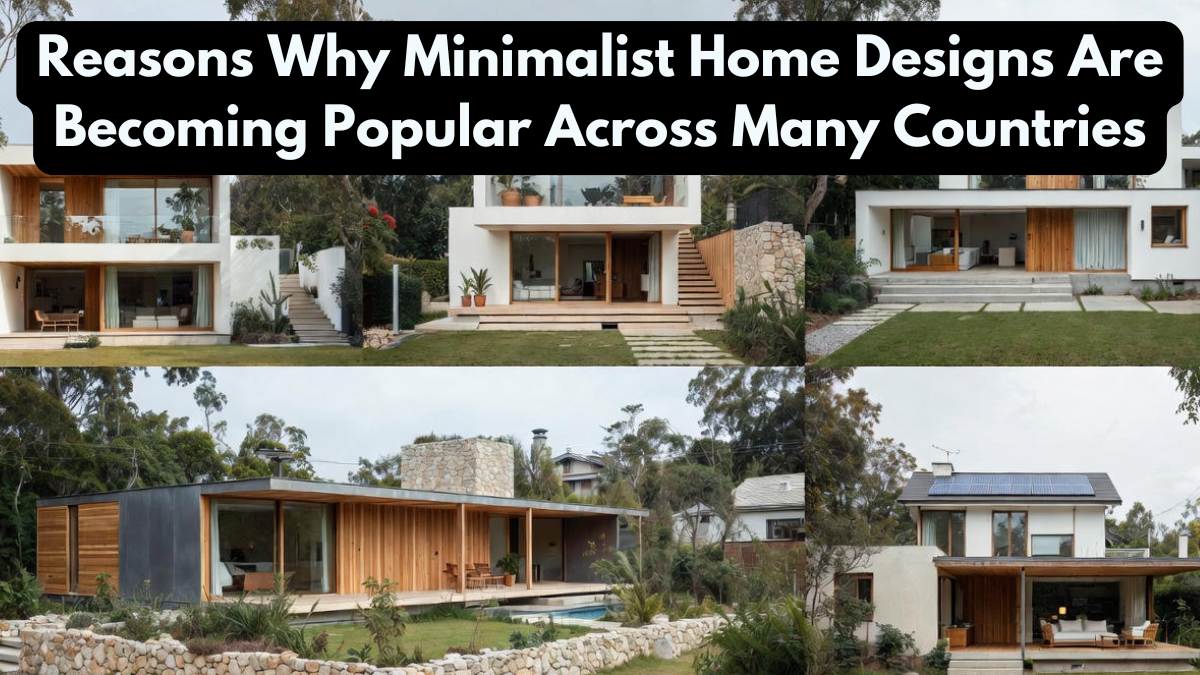
Why Minimalist Home Design Is Gaining Global Popularity
One of the main reasons behind the rise of minimalist home design is the desire for a peaceful and organized living environment. In a world filled with constant digital noise and overstimulation, people seek homes that offer emotional balance and serenity. The emphasis on neutral colors, functional furniture, and open interiors makes minimalism appealing to homeowners who prefer simplicity over excess. These modern interior trends encourage individuals to focus on essential items, reducing unnecessary clutter and fostering a healthier mindset.
Additionally, minimalist spaces create a sense of spaciousness, even in small homes or apartments. By keeping the layout simple and avoiding excessive decorations, homeowners can make their living areas feel larger and more welcoming. This design approach also supports eco-friendly living, as it encourages people to buy fewer items and prioritize quality over quantity. As sustainability becomes a major global concern, minimalist home design aligns perfectly with responsible lifestyle choices.
The Core Elements That Define Modern Minimalism
While minimalism may appear simple at first glance, it requires thoughtful planning and attention to detail. Every item in a minimalist home must serve a purpose, and every space must feel cohesive. A major reason why this style fits into modern interior trends is that it highlights functionality while maintaining aesthetic beauty. The core elements of minimalist home design include neutral color palettes, smart storage solutions, natural lighting, and open floor plans.
Below is a table outlining the key principles of minimalist design:
| Minimalist Element | Purpose | Benefit |
|---|---|---|
| Neutral Colors | Create calm, balanced spaces | Enhances visual harmony |
| Functional Furniture | Reduce clutter and maximize space | Adds practicality |
| Open Layouts | Improve movement and comfort | Makes small areas feel larger |
| Natural Materials | Add warmth and texture | Promotes eco-friendly living |
These features make minimalism one of the most adaptable and long-lasting interior trends, suitable for both modern and traditional homes.
How Minimalism Supports a Healthy and Organized Lifestyle
A major advantage of minimalist home design is its positive effect on mental well-being. Cluttered homes often lead to increased stress and reduced productivity, while clean and organized spaces promote clarity and focus. Many psychologists believe that physical surroundings can influence emotional health, making minimalist spaces ideal for individuals seeking a calmer lifestyle. This connection between interior design and mental health is one reason why new interior trends emphasize simplicity and functionality.
Minimalist homes also encourage mindful consumption. Instead of purchasing items on impulse, homeowners carefully select pieces that truly matter. This leads to reduced waste and more meaningful living. The lack of distractions in a minimalist environment helps individuals stay focused on their goals, spend time with loved ones, and enjoy peaceful routines. These lifestyle benefits make minimalist home design a popular choice for families, professionals, and older adults alike.
The Role of Technology and Modern Living in Boosting Minimalism
Advancements in technology have greatly influenced the rise of minimalist home design. With smart home systems, digital entertainment, and cloud storage, people no longer need bulky electronics, large shelves, or excessive wiring. Homes can now be streamlined with hidden storage, multifunctional furniture, and seamless device integration. These improvements fit perfectly with today’s interior trends, which focus on clean aesthetics and minimalist layouts.
Modern living also favors flexible and multi-purpose spaces. As more people work from home, they seek designs that support both personal comfort and professional needs. Minimalism offers this flexibility by removing unnecessary items and creating open spaces that can adapt to different activities. This versatility is a major reason why minimalist home design continues to grow in popularity across various cultures and age groups.
Why Minimalism Continues to Influence Global Interior Trends
Minimalism has become much more than a design style—it is a lifestyle choice embraced by millions. Its influence on interior trends is evident in the widespread popularity of neutral tones, simple furniture, and nature-inspired materials. The timeless appeal of minimalism ensures that it remains relevant across changing design movements. Whether in urban apartments or large suburban homes, minimalism enhances beauty through simplicity, making spaces feel elegant, organized, and comfortable.
Moreover, the financial benefits are also appealing. By eliminating unnecessary purchases and focusing on essential items, homeowners save money and invest in better-quality products. This thoughtful approach aligns perfectly with long-term sustainability goals, further solidifying minimalist home design as a trend with lasting impact.
Conclusion
The worldwide rise of minimalist home design reflects a deeper cultural shift toward simplicity, wellness, and sustainable living. With its clean layouts, functional décor, and calming atmosphere, minimalism provides an ideal solution for individuals seeking peaceful and organized homes. As evolving interior trends continue to highlight purposeful design, minimalism is expected to remain a dominant influence for years to come. By embracing this style, people create environments that support clarity, comfort, and mindful living.
FAQs
Why is minimalist home design becoming so popular?
It promotes simplicity, reduces clutter, and creates calming living spaces that support emotional well-being.
How do interior trends influence minimalist design?
Modern trends emphasize functionality, sustainability, and clean aesthetics, all of which align with minimalism.
Does minimalist home design work in small homes?
Yes, minimalism makes small spaces appear larger and more open by eliminating unnecessary items.
Is minimalism expensive to maintain?
Not necessarily. It encourages buying fewer, high-quality items, which often reduces long-term costs.
How do interior trends support a minimalist lifestyle?
They introduce versatile furniture, eco-friendly materials, and design principles that enhance simplicity and comfort.
Click here to learn more