Community solar projects are gaining strong momentum in 2026 as households look for affordable and accessible clean energy solutions. Many people want to support renewable energy but cannot install rooftop solar due to renting, shaded properties, or high upfront costs. Community solar projects solve this problem by allowing multiple households to benefit from a shared solar installation located off-site. Through shared solar models, participants receive credits on their electricity bills for the power generated, making clean energy more inclusive and financially practical for a wider population.
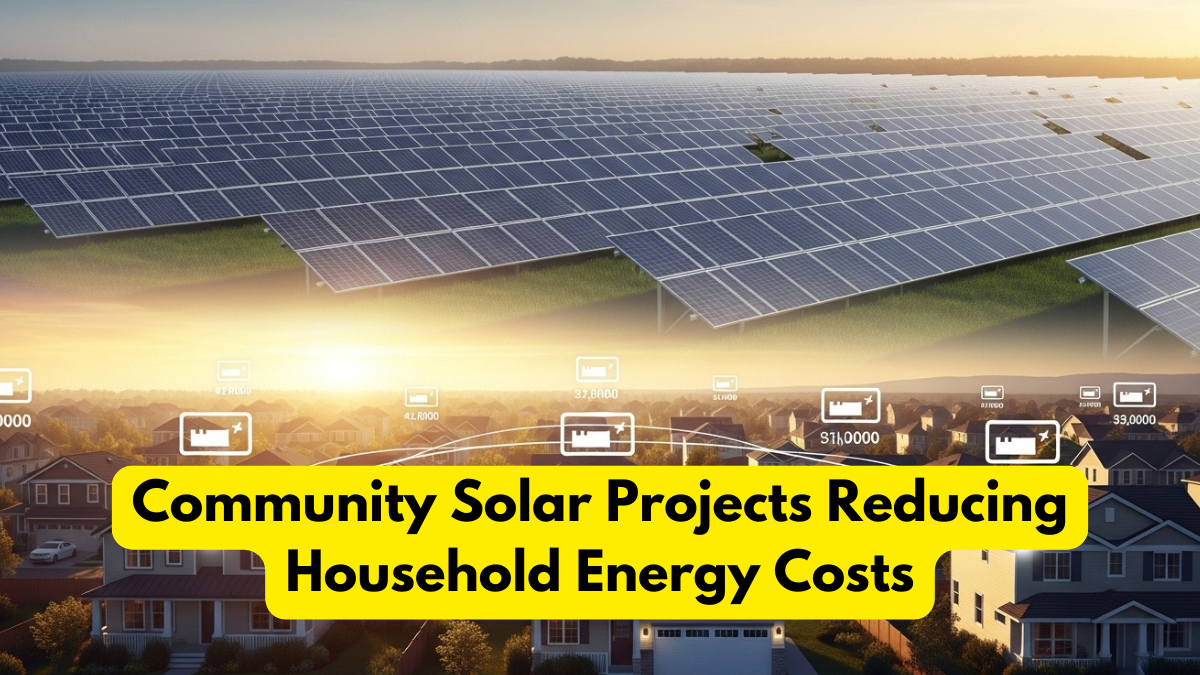
Understanding Community Solar Projects and How They Work
Community solar projects are centralized solar installations that supply power to multiple subscribers within a utility’s service area. Instead of owning panels, participants subscribe to a portion of the project’s output. The electricity generated is fed into the grid, and subscribers receive bill credits based on their share. This shared solar approach simplifies participation and removes maintenance responsibilities from households. By supporting renewable energy generation at scale, community solar projects enable more people to transition away from fossil fuels without changing their living situation.
The Role of Shared Solar in Energy Accessibility
Shared solar plays a crucial role in making clean power accessible to renters, low-income households, and small businesses. Traditional solar adoption often excludes these groups, but community solar projects lower barriers by eliminating installation costs and long-term commitments. Subscribers can often join or leave programs with minimal fees, increasing flexibility. As part of broader renewable energy strategies, shared solar ensures that the benefits of clean power are distributed more equitably across communities rather than limited to property owners.
Financial Benefits for Households and Communities
One of the main drivers behind community solar projects is cost savings. Subscribers typically receive electricity bill credits that are slightly higher than the cost of their subscription, resulting in net savings. Over time, these savings can be significant, especially as energy prices fluctuate. Shared solar also supports local economic development by creating jobs and stabilizing energy costs. From a community perspective, investing in renewable energy reduces dependence on imported fuels and strengthens energy resilience at the local level.
Key Features of Community Solar Projects in 2026
The table below highlights the essential features that define successful community solar projects:
| Feature | Description | Household Benefit |
|---|---|---|
| Subscription-Based Access | No need for rooftop installation | Easy participation |
| Utility Bill Credits | Credits applied monthly | Lower electricity costs |
| Off-Site Solar Farms | Centralized renewable energy generation | No property limitations |
| Flexible Contracts | Transferable or cancelable subscriptions | Reduced financial risk |
| Local Grid Integration | Power fed into regional grids | Supports clean energy transition |
These features demonstrate how community solar projects combine shared solar convenience with measurable renewable energy benefits.
Environmental Impact and Climate Advantages
Beyond financial savings, community solar projects deliver meaningful environmental benefits. By increasing the share of renewable energy in local grids, these projects reduce greenhouse gas emissions and air pollution. Shared solar installations are often built on underused land, such as brownfields or parking structures, minimizing environmental disruption. As more households participate, community solar projects contribute to regional climate goals while fostering collective responsibility for sustainable energy use.
Challenges and Policy Considerations
Despite their growth, community solar projects face challenges related to regulation, grid capacity, and program awareness. In some regions, policy frameworks limit project size or restrict who can participate. Educating consumers about shared solar options is also essential, as many households are unaware these programs exist. Supportive policies, streamlined interconnection processes, and incentives for renewable energy development are critical to scaling community solar projects effectively and inclusively.
The Future of Shared Solar and Community Energy
Looking ahead, community solar projects are expected to integrate advanced energy storage and smart grid technologies. Battery systems will allow projects to store excess power and deliver it during peak demand, increasing value for subscribers. Digital platforms will simplify enrollment and monitoring, making shared solar more user-friendly. As governments prioritize renewable energy expansion, community solar projects will play a central role in democratizing access to clean power.
Conclusion: Making Renewable Energy a Community Effort
Community solar projects are redefining how households engage with clean energy by making participation simple, affordable, and inclusive. Through shared solar, families can lower energy costs while supporting renewable energy development without installing rooftop systems. In 2026, community solar projects represent a practical pathway toward a more resilient, equitable, and sustainable energy future built on collective action.
FAQs
What are community solar projects?
Community solar projects are shared solar installations that allow multiple households to benefit from renewable energy without installing panels on their property.
How does shared solar reduce electricity bills?
Shared solar provides utility bill credits based on a subscriber’s share of power generated, often resulting in net savings.
Who can join community solar projects?
Renters, homeowners, and small businesses within a utility service area can usually participate.
Is community solar a form of renewable energy?
Yes, community solar projects generate clean renewable energy, typically from solar power plants.
Are community solar subscriptions long-term commitments?
Many programs offer flexible terms, allowing participants to cancel or transfer subscriptions if needed.
Click here to learn more