The elevator etiquette decline has become increasingly noticeable in apartments, office buildings, malls, hospitals, and metro stations. Elevators are small shared spaces where basic courtesy matters the most, yet many people now experience discomfort because simple social rules are often ignored. From blocking the door to using loud phone calls inside, these small actions reflect larger changes in daily public conduct.
As cities grow faster and busier, public manners are changing in visible ways. People are often more focused on speed and personal convenience than shared comfort. This shift in urban behavior has made elevator interactions less polite and more stressful. Understanding the reasons behind elevator etiquette decline helps explain how modern city life is reshaping everyday respect in public spaces.
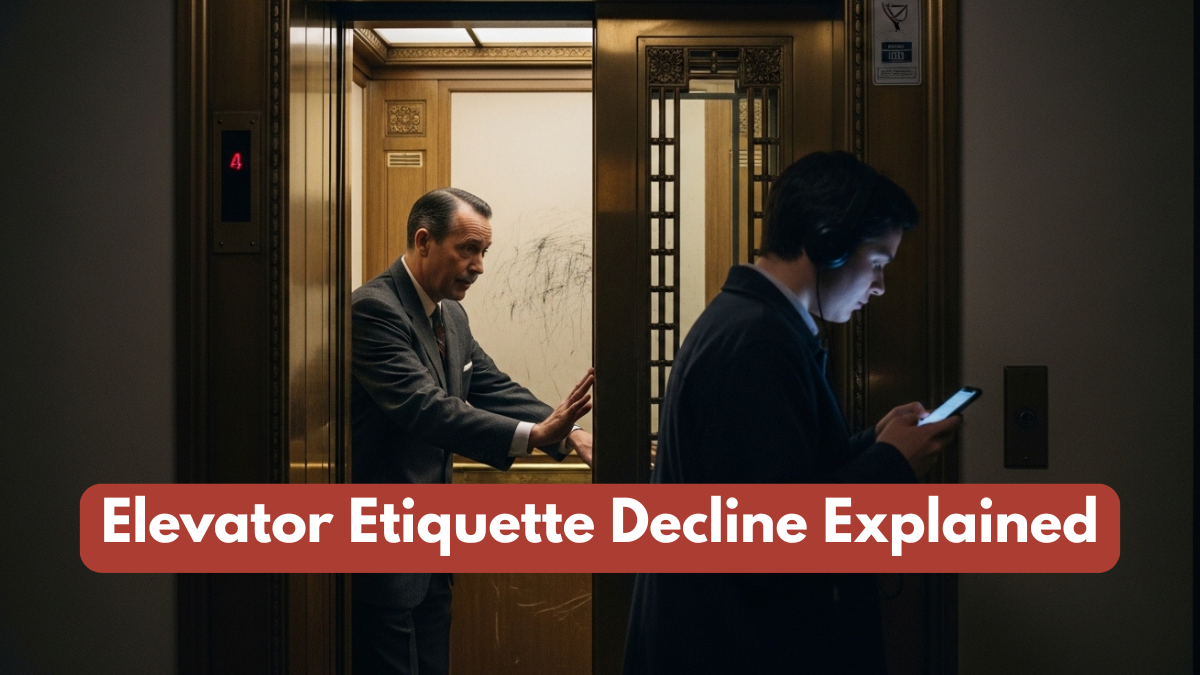
What Elevator Etiquette Decline Really Means
Elevator etiquette decline refers to the weakening of basic social discipline inside elevators. Traditional elevator courtesy includes waiting for others to exit first, standing properly without blocking access, keeping noise low, and respecting personal space. These simple actions help maintain comfort in a confined environment.
Today, many of these habits are being ignored. This change in public manners creates inconvenience and silent frustration for everyone using the same space. People rushing inside before others exit, pressing buttons repeatedly, or using speakerphone conversations are common examples of this decline.
Such patterns show how urban behavior is shifting from collective awareness to individual urgency. While these actions may seem small, repeated daily experiences make shared spaces feel less respectful and more stressful.
Common Signs of Poor Elevator Public Manners
The signs of elevator etiquette decline are visible across many residential and commercial spaces. These behaviors often happen so frequently that people begin accepting them as normal, even though they reduce comfort for everyone.
Common examples include:
- Entering before others exit
- Standing directly in front of the door
- Loud phone conversations inside
- Not allowing personal space
- Repeatedly pressing the same button
- Ignoring elderly or disabled passengers
- Eating food inside elevators
- Not holding the door when needed
These habits clearly reflect changing public manners and show how everyday urban behavior is becoming less patient and less considerate.
Why Urban Behavior Is Changing in Shared Spaces
One major reason behind elevator etiquette decline is the speed of urban life. People in busy cities often operate under constant time pressure. This creates a mindset where efficiency becomes more important than courtesy, even in very small moments like elevator use.
Technology also affects public manners. People distracted by phones often become less aware of others around them. They may enter elevators without noticing who is exiting or continue loud calls without considering shared comfort. This disconnected attention shapes negative urban behavior in public places.
Another factor is reduced social accountability. In larger cities, people interact less with neighbors and strangers, so there is less personal pressure to maintain polite habits. This makes elevator etiquette decline more common in anonymous urban environments.
Traditional Elevator Etiquette vs Modern Elevator Habits
| Aspect | Traditional Elevator Etiquette | Modern Elevator Habits |
|---|---|---|
| Entry and Exit | Wait for others to leave first | Rushing in immediately |
| Noise Level | Quiet and respectful | Loud calls and conversations |
| Personal Space | Comfortable distance maintained | Crowding and blocking |
| Social Awareness | Strong public manners | Individual convenience first |
| Shared Comfort | Considered important | Often ignored |
This table shows how elevator etiquette decline reflects broader changes in public manners and everyday urban behavior. Small habits inside elevators often reveal larger social behavior patterns.
Can Elevator Etiquette Be Improved Again?
Yes, improving elevator etiquette decline begins with awareness and consistency. People often follow the behavior they see around them, so visible courtesy can influence others positively. Waiting patiently, allowing exits first, and keeping noise low are simple but powerful habits.
Building management can also help improve public manners through signs, awareness messages, and design improvements such as better waiting zones near elevators. Small reminders often encourage better behavior without confrontation.
Long-term improvement depends on changing urban behavior through respect for shared environments. Elevators may be small spaces, but they represent how people handle public responsibility. Restoring simple courtesy improves not only convenience but also everyday trust between strangers.
Conclusion
The elevator etiquette decline may seem like a minor issue, but it reflects important changes in how people interact in shared spaces. Declining public manners and fast-paced urban behavior are making elevators less comfortable and more stressful for daily users. Small acts of impatience create repeated frustration in places where cooperation matters most.
By rebuilding awareness and practicing simple courtesy, people can improve these everyday interactions significantly. Respecting elevator etiquette is not only about rules—it is about creating smoother, safer, and more respectful public environments. Understanding elevator etiquette decline helps us recognize how small habits shape the larger quality of urban life.
FAQs
What does elevator etiquette decline mean?
Elevator etiquette decline refers to the reduction of polite and respectful behavior inside elevators, such as rushing in, loud talking, blocking doors, and ignoring shared space comfort.
Why are public manners weaker in elevators today?
Changing public manners are influenced by busy schedules, phone distractions, and a stronger focus on personal convenience rather than shared public comfort.
How does urban behavior affect elevator use?
Urban behavior affects elevator use by increasing speed-focused actions, impatience, and reduced awareness of others, especially in crowded city buildings.
Can signs improve elevator etiquette?
Yes, clear signs and reminders can improve elevator etiquette decline by encouraging people to follow simple social rules like waiting, quiet behavior, and respectful spacing.
Why is elevator etiquette important?
Elevator etiquette supports comfort, safety, and fairness in shared spaces. Good behavior helps reduce stress and improves everyday interactions in residential and commercial buildings.
Click here to learn more