For decades, major metropolitan cities symbolized opportunity, ambition, and success. People moved to large urban centers chasing careers, culture, and convenience. That narrative is now changing. Small city living is becoming increasingly attractive as people reassess what quality of life truly means. Rising costs, congestion, and burnout in megacities are fueling an urban shift toward more manageable environments. This transition aligns with evolving lifestyle trends that prioritize balance, affordability, and well-being over constant stimulation and status.
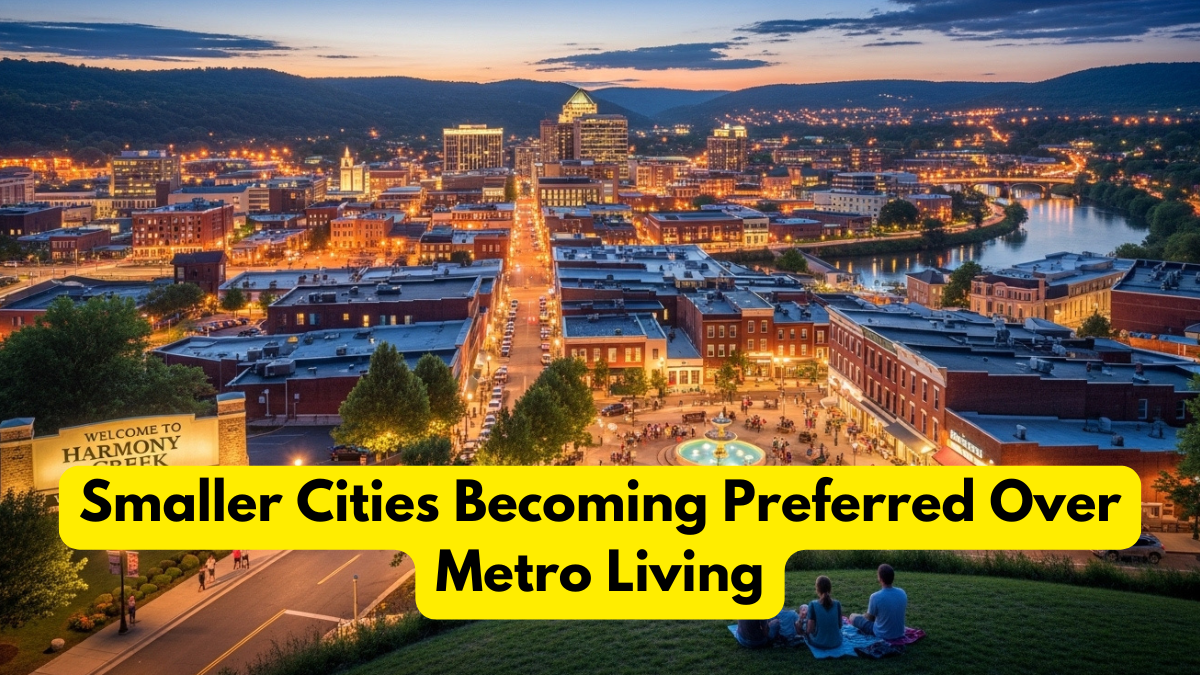
Why Small City Living Is Gaining Popularity
One of the strongest drivers behind small city living is affordability. Housing costs in major metros have reached unsustainable levels for many households. Smaller cities offer comparable amenities at a fraction of the cost, allowing residents to enjoy financial breathing room. This economic reality plays a major role in the current urban shift.
Beyond cost, people are rethinking daily stress. Long commutes, overcrowding, and noise have normalized exhaustion in big cities. In contrast, small city living offers shorter travel times, access to nature, and a calmer pace. These factors align with modern lifestyle trends that value mental health, family time, and personal fulfillment.
The Urban Shift Away From Mega Cities
The ongoing urban shift reflects structural changes in how people work and live. Remote and hybrid work models reduce the need to live near corporate headquarters. As a result, individuals gain freedom to choose environments that suit their values rather than employer locations.
Smaller cities benefit from this flexibility. They provide infrastructure, connectivity, and community without the pressure of dense urban living. As lifestyle trends evolve, people increasingly view location as a quality-of-life decision rather than a career constraint. This mindset accelerates small city living adoption across demographics.
Lifestyle Trends Redefining Success And Well-Being
Traditional success metrics emphasized proximity to opportunity, often equated with big cities. Today’s lifestyle trends challenge that assumption. Well-being, time autonomy, and meaningful relationships now rank higher than prestige addresses.
Small city living supports these priorities by offering space and community. Residents often report stronger social connections and greater civic engagement. This sense of belonging contrasts with the anonymity common in large metros. As values shift, the urban shift reflects a deeper redefinition of what a successful life looks like.
Comparing Small City Living And Metro Living
A comparison helps illustrate why preferences are changing.
| Aspect | Metro Living | Small City Living |
|---|---|---|
| Cost of living | High | Moderate to low |
| Commute time | Long | Short |
| Community connection | Limited | Strong |
| Access to nature | Restricted | Abundant |
| Lifestyle balance | Challenging | Sustainable |
This comparison highlights why small city living aligns better with emerging lifestyle trends. As the urban shift continues, people increasingly choose environments that support long-term balance rather than short-term ambition.
Economic And Career Opportunities In Smaller Cities
A common misconception is that small city living limits career growth. While opportunities differ, they are not necessarily fewer. Smaller cities often offer growing job markets, entrepreneurial ecosystems, and remote-friendly roles.
Local economies benefit from incoming talent, creating positive feedback loops. As professionals relocate, businesses follow, strengthening regional development. This dynamic supports the urban shift and reinforces lifestyle trends that favor decentralization over concentration.
Social Benefits Of Small City Living
Social cohesion is another advantage of small city living. Smaller populations encourage repeated interaction, which strengthens trust and cooperation. Schools, local businesses, and community organizations play a visible role in daily life.
This environment supports family life and social stability. Parents appreciate safer neighborhoods and accessible resources, while individuals enjoy greater participation in civic life. These social benefits align closely with current lifestyle trends emphasizing connection and belonging within the broader urban shift.
Challenges Of Transitioning To Smaller Cities
Despite its appeal, small city living is not without challenges. Cultural diversity, entertainment options, and specialized services may be more limited. Some people miss the energy and anonymity of metro environments.
Adapting requires adjusting expectations and embracing local rhythms. However, many find that the benefits outweigh the trade-offs. As urban shift patterns mature, smaller cities continue expanding offerings to meet evolving lifestyle trends and resident needs.
Infrastructure And Growth Considerations
As more people choose small city living, infrastructure development becomes critical. Transportation, healthcare, and education systems must scale responsibly. Thoughtful planning ensures growth does not compromise the qualities that attract residents.
Cities that manage this transition well become long-term beneficiaries of the urban shift. By aligning development with lifestyle trends, they preserve affordability and livability while accommodating new residents.
The Long-Term Outlook For Urban Shift And Lifestyle Trends
The movement toward small city living reflects a structural change rather than a temporary response. As flexibility increases and values evolve, decentralization becomes more sustainable. Large cities will remain important, but they will no longer dominate life choices as they once did.
Future lifestyle trends will likely continue emphasizing balance, community, and autonomy. In this context, the urban shift toward smaller cities represents a recalibration of priorities rather than a rejection of urban life altogether.
Conclusion
The growing preference for small city living highlights a profound transformation in how people define success and well-being. Driven by an ongoing urban shift and changing lifestyle trends, smaller cities offer affordability, connection, and balance that many metros struggle to provide. As work becomes more flexible and values continue to evolve, small cities are no longer alternatives, they are becoming destinations of choice for a more sustainable way of life.
FAQs
What is small city living?
Small city living refers to residing in less densely populated cities that offer essential amenities with lower costs and slower pace.
Why is there an urban shift toward smaller cities?
The urban shift is driven by high metro costs, remote work, and changing lifestyle priorities.
Are lifestyle trends influencing relocation decisions?
Yes, lifestyle trends emphasizing balance, wellness, and affordability strongly influence where people choose to live.
Do smaller cities offer good career opportunities?
Many smaller cities offer growing job markets, especially with remote and hybrid work options.
Is small city living suitable for families?
Yes, it often provides safer environments, stronger communities, and better work-life balance for families.
Click here to learn more